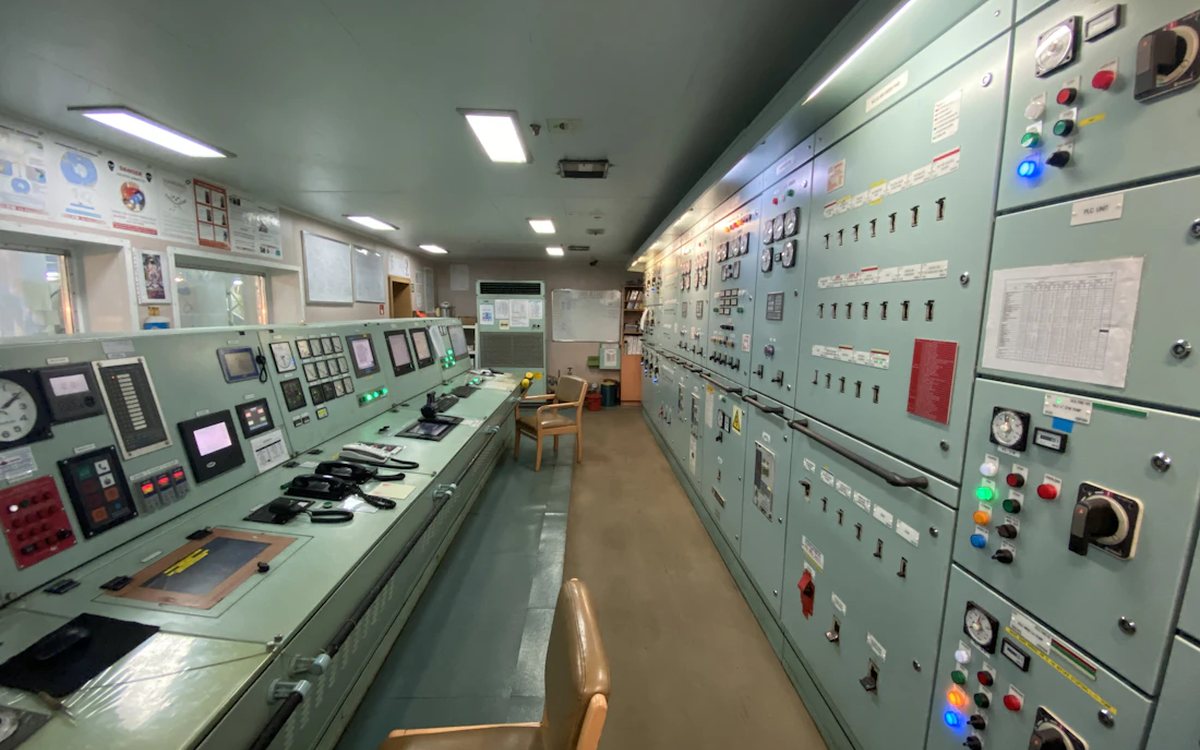
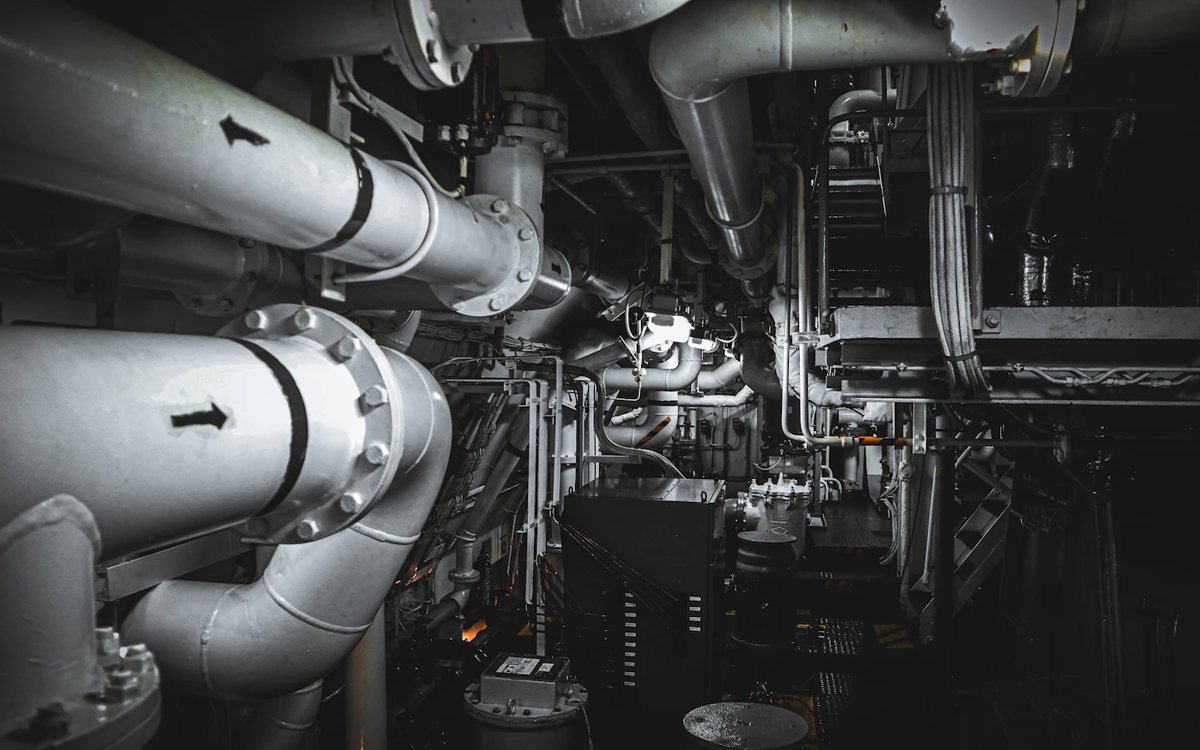
Ship technical services in Dubai cover the machinery work that keeps a vessel reliable between drydocks. Purifiers, pumps, boilers, heat exchangers and HVAC systems all need specialist attention, and the difference between a repair that lasts and one that returns is usually preparation and testing rather than the brand of the spare part.
Engine room work is expensive because it is sequential. The machine must cool, the system must be isolated, the space must be accessible and the part must be ready. Any one of those missing turns a two-hour job into a two-day one. The vessels that avoid that cost prepare before the technician boards.
This guide explains the common scopes, how to brief a provider, and how to judge whether the work has actually been done.
What technical servicing covers
Technical servicing sits between routine maintenance and major repair. A typical scope includes:
- Purifier and separator servicing, including bowl and disc inspection
- Pump overhaul, alignment and seal replacement
- Compressor servicing and performance checks
- Boiler inspection, burner maintenance and safety device testing
- Heat exchanger cleaning, pressure testing and gasket renewal
- HVAC and refrigeration servicing
- Valve, pipe and fitting repair
- Alignment, vibration and running checks
The list is wide because the engine room is interconnected. A purifier problem may be a heater issue, a pump problem may be an alignment issue, and a boiler fault may be a control or water chemistry issue. A good provider looks at the system rather than only the failed item.
Confirm the fault before authorising work
The first question is not "what does it cost" but "what is actually wrong". A clear fault definition protects both the vessel and the provider.
Prepare:
- Maker, model, serial number and running hours.
- The symptom, including when it occurs and whether it is constant or intermittent.
- Recent maintenance, overhauls or changes.
- Relevant readings such as pressure, temperature, vibration or consumption.
- Photographs and, where useful, a short video with sound.
- The vessel's location, working window and access constraints.
A video of a noisy bearing or a hunting governor can be more useful than a long description. It also helps the provider decide whether to send a fitter, an electrician or a specialist.
Purifiers, pumps and rotating equipment
Rotating equipment is where repeat failures are most common. A pump that is overhauled without checking alignment may fail again. A purifier that is serviced without checking the heater or the control sequence may continue to trip.
For rotating equipment, the useful checks are:
- Alignment and coupling condition
- Bearing condition and lubrication
- Seal or gland condition
- Balance and vibration
- Suction and discharge conditions
- Control and safety device response
Ask the provider to record measurements before and after the work. A repair that is not measured is a repair that cannot be verified.
| Equipment | Common fault | Useful first check |
|---|---|---|
| Purifier | Vibration or poor separation | Bowl condition and heater |
| Centrifugal pump | Low flow or leak | Alignment, seal and suction |
| Compressor | High temperature or trip | Cooling, valves and oil |
| Boiler | Flame failure or low pressure | Burner, controls and water |
| Heat exchanger | Poor cooling | Fouling and pressure drop |
| HVAC | Warm air or icing | Refrigerant charge and airflow |
Boilers, heat exchangers and HVAC
Boilers and heat exchangers are often left until a survey forces the issue. That is a mistake, because fouling and scale reduce efficiency quietly before they cause a failure.
Boiler work should include inspection of the burner, flame safeguards, water level controls and safety valves, with the results recorded. Heat exchangers should be cleaned and pressure tested, with gaskets renewed where needed. HVAC work should confirm refrigerant charge, airflow and control response, not just that cold air appears.
These systems also cross into automation and electrical work. If a fault involves controls, it may be better handled as a combined job rather than two separate visits.
What to prepare in the engine room
Preparation is the cheapest part of the job and the most often skipped.
- Isolate and lock off the equipment safely.
- Allow time for cool-down and depressurisation.
- Clear access and lighting around the work area.
- Have the maker's manual and drawings available.
- Confirm the spare parts are on board and correct.
- Arrange a responsible engineer to accompany the team.
- Agree permits, hot work rules and testing procedures.
- Confirm who can authorise additional work if the scope changes.
When the scope changes, the vessel should be told immediately, with a reason and a revised estimate. Surprise invoices usually trace back to a scope that was never written down.
Testing, records and handover
A technical repair is not finished when the machine runs. It is finished when it has been tested under representative conditions and the results are recorded.
Ask for:
- A service report with the work performed
- Parts fitted, including part numbers
- Measurements and test results
- Any settings changed
- Outstanding recommendations and their urgency
For critical machinery, agree the test regime before the work starts. Running a pump for two minutes proves little; running it at operating conditions and checking flow, pressure, vibration and temperature proves much more.
Mistakes and limits
Common mistakes include authorising a part replacement without confirming the fault, skipping alignment after an overhaul, using the wrong seal or gasket, and accepting a repair without a test record.
There are limits. Some components need workshop machining, some need maker support, and some faults only appear under load at sea. A credible provider distinguishes what can be verified alongside from what must be monitored after departure, and says so in writing.
Choosing a technical services provider in Dubai
Look for a provider that can explain the system, not just the component. Ask how they will confirm the fault, what they will measure, what records they will leave and who will test the result. For vessels comparing broader repair options, the guide to ship repair companies in the UAE sets out the wider comparison criteria.
RNS Shipping provides ship technical services for vessels in Dubai, Jebel Ali, Dubai Maritime City and Khorfakkan, and can combine machinery work with ship repair and maintenance under one coordinator.
Ship technical services in Dubai deliver lasting results when the fault is defined, the engine room is prepared and the repair is tested and recorded. Those steps cost little and prevent the repeat visit that always costs more.
Send the equipment details, fault history and working window to the RNS Shipping operations desk, or review the full technical services scope before you book.
Frequently asked questions
What do ship technical services in Dubai include?
They typically include servicing and repair of purifiers, pumps, compressors, boilers, heat exchangers, HVAC and other engine room machinery, plus inspection, alignment and testing.
How do I scope a technical repair properly?
Describe the fault, when it occurs, recent work and the outcome the vessel needs. Include maker, model, running hours and any readings so the provider can plan labour and parts.
Can technical work be done during a short port call?
Much of it can, if the scope is clear and parts are available. Work requiring cool-down, isolation, machining or extended testing may need a longer window.
What records should I receive after the work?
Ask for a service report covering the work done, parts fitted, measurements, tests performed and any follow-up recommendation. These records support future maintenance and surveys.
Which UAE locations are covered?
RNS Shipping supports vessels in Dubai, Jebel Ali, Dubai Maritime City and Khorfakkan, with wider UAE mobilisation discussed through the operations desk.
Questions ship managers ask
What do ship technical services in Dubai include?
They typically include servicing and repair of purifiers, pumps, compressors, boilers, heat exchangers, HVAC and other engine room machinery, plus inspection, alignment and testing.
How do I scope a technical repair properly?
Describe the fault, when it occurs, recent work and the outcome the vessel needs. Include maker, model, running hours and any readings so the provider can plan labour and parts.
Can technical work be done during a short port call?
Much of it can, if the scope is clear and parts are available. Work requiring cool-down, isolation, machining or extended testing may need a longer window.
What records should I receive after the work?
Ask for a service report covering the work done, parts fitted, measurements, tests performed and any follow-up recommendation. These records support future maintenance and surveys.
Which UAE locations are covered?
RNS Shipping supports vessels in Dubai, Jebel Ali, Dubai Maritime City and Khorfakkan, with wider UAE mobilisation discussed through the operations desk.